In today’s interconnected world, manga to have become an integral part of global pop culture, transcending beyond Japan’s borders to influence millions worldwide. Once considered a niche art style, manga has evolved into a multi-billion dollar industry that shapes trends in comics, animation, fashion, and even social dialogue. This remarkable journey showcases how a distinctive visual storytelling medium can resonate across diverse cultures, prompting a closer examination of its history, influence, and future.
The Global Rise of Manga – From Niche Art Form to Cultural Phenomenon
Manga's journey from Japan’s comic book shelves to international prominence is nothing short of extraordinary. In its early days, manga was primarily a domestic pastime, with distinct styles and themes rooted deeply in Japanese society. However, as Japanese media gained global attention in the late 20th century, manga began to attract an international audience eager for diverse stories and innovative artwork. The internet revolution amplified this trend, ushering in a new era where fans worldwide could access manga editions easily and share their enthusiasm across social media platforms, transforming manga into a truly global phenomenon.
This expansion also disrupted traditional publishing models, encouraging local publishers in North America, Europe, and Asia to embrace manga’s unique aesthetic and storytelling techniques. Today, manga is no longer just a niche interest but a cultural force that influences fashion, gaming, and literature. Its ability to adapt to local cultures, while maintaining authentic Japanese elements, demonstrates the genre’s versatility and appeal. The global rise of manga exemplifies how cultural exchange, fueled by technological advancements, can elevate an art form from a specialized hobby to a universal symbol of storytelling and creativity.
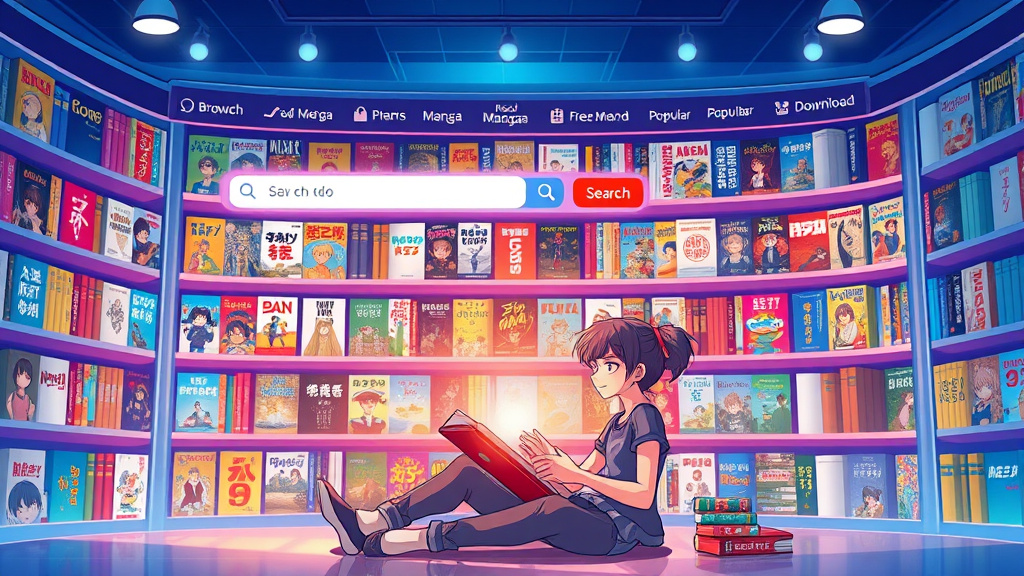 Hình minh họa: best site for manhwa – manga to
Exploring the Diverse Genres Within Manga – A Reader’s Guide
Manga is as varied as the cultures it has influenced, embracing an extensive spectrum of genres that cater to virtually every demographic. From shonen (young boys) targeting action and adventure to shojo (young girls) emphasizing romance and emotional storytelling, the genre spectrum ensures there is something for everyone. Beyond these well-known categories, there are niche genres like seinen (for adult men), josei (for adult women), and even yuri or yaoi, which explore LGBTQ themes with nuanced storytelling. Each genre embodies unique narrative styles, art techniques, and cultural themes that reflect both Japanese society and universal human experiences.
For readers just beginning their manga journey, exploring this diversity opens up a world of possibilities. For example, the fast-paced, high-energy action of shonen manga like Dragon Ball appeals to those seeking adrenaline and heroism, while the introspective and often poetic stories in josei manga like Nana offer mature insights into love and life. The best part about these genres is their ability to blend elements—such as blending science fiction with romance or comedy with horror—creating rich and layered stories that challenge stereotypes and push creative boundaries. Manga to thrive because of this flexibility, inviting new readers and seasoned fans alike to discover stories that resonate deeply on personal and societal levels.
Manga’s Influence on Western Comics and Animation – A Comparative Analysis
The symbiotic relationship between manga and Western comics and animation has resulted in a fascinating cross-pollination of styles, themes, and storytelling methods. While Western comics historically leaned towards superheroes and more literal representations of morality, manga introduced a broader range of genres, more complex characters, and innovative visual techniques. The influence is clearly visible in titles like Teen Titans or Avatar: The Last Airbender, which incorporate manga-inspired aesthetics, pacing, and emotional depth. Conversely, many manga artists have drawn inspiration from Western comic heroes, leading to hybrid styles and narratives that appeal to a global audience.
This dynamic exchange has challenged traditional notions of what comics and animation can be, encouraging creators to experiment with more mature themes, diverse perspectives, and cinematic pacing. For instance, character development in manga often emphasizes internal conflict and psychological nuance, which has influenced Western storytelling, making narratives more layered and character-driven. The ongoing dialogue between these two worlds continues to expand creative possibilities, blurring distinctions and fostering a richer, more inclusive landscape of visual storytelling that benefits fans across borders. This mutual influence underscores manga to be a versatile medium that inspires innovation in storytelling across cultures.
The Art of Manga – Examining Visual Storytelling Techniques
At the heart of manga’s allure is its mastery of visual storytelling, which combines dynamic artwork with graphic narrative techniques that evoke emotion and convey complex ideas with efficiency. Manga artists leverage exaggerated expressions, cinematic panel layouts, and innovative use of space to guide the reader’s gaze and emphasize narrative beats. Beyond simple illustration, the art style often reflects an artist’s unique voice—ranging from highly detailed and realistic to minimalist and abstract—each serving different thematic and emotional purposes.
One of the most compelling aspects of manga’s visual storytelling is its ability to evoke atmosphere and mood. Techniques like speed lines, screentones, and unconventional panel arrangements allow creators to dramatize action and emotion, immersing readers into the story world. Moreover, manga’s flexibility in depicting fantastical elements or intricate backgrounds enhances storytelling without overwhelming the narrative flow. As manga to continue evolving, contemporary artists experiment with digital tools and mixed media, pushing boundaries and redefining what visual storytelling can achieve. The artistry behind manga remains an essential element that sets it apart and fuels its universal appeal.
The Business of Manga – Publishing, Distribution, and the International Market
The rise of manga as a commercial enterprise has transformed it into a global industry with complex publishing, distribution, and licensing networks. Traditionally rooted in Japanese publishing houses like Shueisha and Kodansha, the industry has expanded through a combination of physical sales, digital platforms, and international licensing. Key to this growth is the emergence of online manga stores and subscription services such as Crunchyroll Manga, VIZ, and Manga Plus, which have made manga readily accessible worldwide. These platforms not only facilitate distribution but also influence the types of stories that get promoted, favoring titles with broad international appeal.
The economic dynamics behind manga’s expansion reveal a sophisticated ecosystem driven by fan demand and technological innovation. Licensing deals enable popular manga to be translated into multiple languages quickly, often before the original Japanese versions even hit the shelves. Moreover, anime adaptations and merchandise sales contribute multiple revenue streams that bolster the manga industry. As manga to continue capturing global markets, the industry faces challenges related to piracy, cultural differences, and maintaining artistic integrity. Nonetheless, the business side of manga exemplifies how strategic partnerships and digital transformation sustain its growth and cultural impact across continents.
Manga and Anime – Understanding the Relationship and Adaptations
Manga and anime share an intertwined relationship where one often fuels the other’s popularity. Typically, manga serves as the original source material for many beloved anime adaptations, with titles like One Piece, Attack on Titan, and My Hero Academia exemplifying successful transition from print to screen. However, the relationship is complex—sometimes anime is developed concurrently or even before the manga concludes, which offers creative flexibility but also risks deviating from the source or lacking the depth of the original story.
Understanding the synergy between the two mediums highlights their mutual influence—manga provides detailed character development and nuanced storytelling that is often condensed or altered in anime adaptations. Conversely, anime’s vibrant visuals, voice acting, and music can elevate manga stories and attract new fans. The adaptation process also sparks healthy debates about faithfulness versus artistic liberty, prompting creators to balance narrative integrity with innovative reimagining. As they continue to evolve together, manga to be seen as complementary arts that, when harmonized, create powerful storytelling experiences that captivate global audiences.
The Role of Translation in Manga’s International Success
Translation plays a pivotal role in introducing manga to global audiences, acting as a cultural bridge that makes Japanese storytelling accessible worldwide. Skilled translators don’t merely convert words—they convey humor, nuances, idiomatic expressions, and cultural references that are integral to the story’s essence. This art of localization ensures that the original tone, emotion, and intent are preserved, which is especially challenging given manga’s reliance on visual cues and contextual humor.
The quality of translation significantly impacts manga’s reception abroad. Good translations can foster a dedicated international fanbase, while poorly localized versions risk misrepresenting characters or diluting cultural significance. The rise of fan translations or “scanlations” further complicates the landscape, as they can spread content rapidly but often with inconsistent quality. As manga to expand more deeply into diverse markets, professional translation and localization efforts become vital to respecting the cultural integrity of the medium while making it approachable and engaging for readers worldwide.
Iconic Manga Artists and Their Impact on the Medium
Throughout history, visionary artists like Osamu Tezuka, Akira Toriyama, and Naoko Takeuchi have transformed manga into an evolving, dynamic art form. These creators not only crafted beloved stories but also pioneered artistic techniques, narrative structures, and themes that influence countless artists today. Osamu Tezuka, often called the “God of Manga,” introduced cinematic storytelling methods and a wide emotional range, setting standards for storytelling depth and artistic versatility.
The impact of these iconic artists extends beyond their own work—they inspire generations of manga creators and elevate the medium’s artistic status. Their innovative approaches to character design, panel composition, and thematic exploration challenge creators to think beyond traditional boundaries and push the medium’s expressive potential. As manga to continue to grow, recognizing these pioneers and their influence highlights the importance of individual artistry in shaping and sustaining manga’s cultural significance worldwide.
Manga and Society – Reflecting and Shaping Japanese Culture
Manga operates as both a mirror and a shaper of Japanese society, capturing its social norms, challenges, and aspirations while also influencing how individuals see themselves and their world. Many manga mirror societal issues such as gender roles, economic struggles, and technological advancements, often providing a nuanced commentary that fosters discussion and awareness. Titles like Akira or Blade of the Immortal explore complex themes that resonate deeply with contemporary societal transformations.
Simultaneously, manga shapes cultural perceptions—introducing global audiences to Japanese traditions, language, and mythologies. It influences youth identity, fashion trends, and even political discourse, illustrating its role as a dynamic cultural tool. As manga to evolve within modern society, it continues to serve as an accessible platform for dialogue, critique, and celebration of Japanese cultural heritage, thereby reinforcing its importance not just as entertainment but as a vital part of societal reflection and change.
The Future of Manga – Trends, Technologies, and Emerging Voices
The future of manga to looks promising, with emerging trends shaped by technological advancements and a new generation of creators. Digital platforms, virtual reality, and artificial intelligence are opening unprecedented avenues for storytelling, enabling creators to experiment with interactive narratives and immersive art. For example, augmented reality apps could allow readers to experience manga scenes in 3D, revolutionizing how stories are told and consumed.
Additionally, the rising diversity of voices—both in Japan and internationally—promises a broader range of stories that challenge traditional norms and include marginalized perspectives. Young artists from diverse backgrounds are reshaping the artistic landscape, infusing manga with fresh themes and styles. As manga to adapt to these innovations, it’s evolving into a medium that is not only visually stunning but also socially relevant and reflective of a globalized world. This ongoing transformation underscores manga’s versatility and enduring appeal, promising many exciting developments on the horizon.
Conclusion
From its origins as a traditional Japanese art form, manga to has blossomed into a global cultural phenomenon that influences everything from entertainment to societal discourse. Its diverse genres and innovative artistic techniques captivate a worldwide audience, while its symbiotic relationship with anime and technological advancements continue to elevate its storytelling. The international success of manga hinges on effective translation, savvy industry practices, and the creativity of influential artists who push boundaries and inspire new voices. As the medium navigates future trends—embracing digital innovations, diverse narratives, and social relevance—it promises to remain a powerful, dynamic force shaping the cultural landscape for generations to come.